COVID-19 has a different effect on everyone. Some people may be asymptomatic or have no symptoms. If symptoms do appear, they may range from very mild to severe. The following is a list of possible symptoms people may experience:
Fever, chills, fatigue
Cough, shortness of breath, difficulty breathing, sore throat
New loss of taste or smell, congestion, runny nose
Muscle or body aches, headache
Nausea / vomiting, diarrhea
After being exposed to COVID-19, people may develop symptoms after 2-14 days.
This list includes common possible symptoms, but it does not include every symptom. It is strongly recommended and encouraged to get tested if you were exposed to COVID-19.
pale, gray, or blue-colored skin, lips, or nail beds, depending on skin tone
Play Video
WAYS TO BOOST YOUR IMMUNITY
Proactive wellness tips
The best way to prevent getting COVID-19 is getting the vaccine.
Another way to protect yourself and protect others around you is by wearing a mask. In areas where the risk for COVID-19 spread is high, masks are strongly recommended. Masks should be well-fitting and should be worn over your nose and mouth.
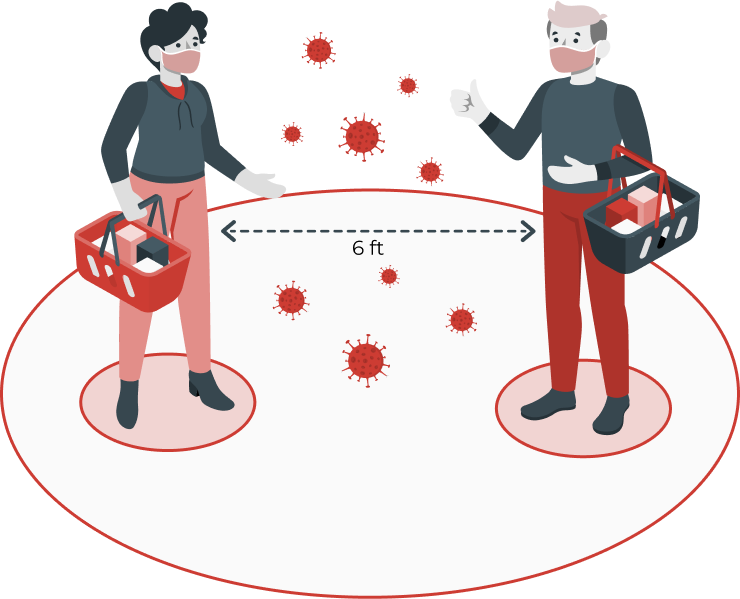
Maintaining social distancing and staying at least 6 feet away from others in public areas can help decrease your risk of getting the virus.
Maintaining social distancing and staying at least 6 feet away from others in public areas can help decrease your risk of getting the virus.
Other wellness tips that can help decrease the spread of the virus include:
Washing your hands often for at least 20 seconds with soap and warm water
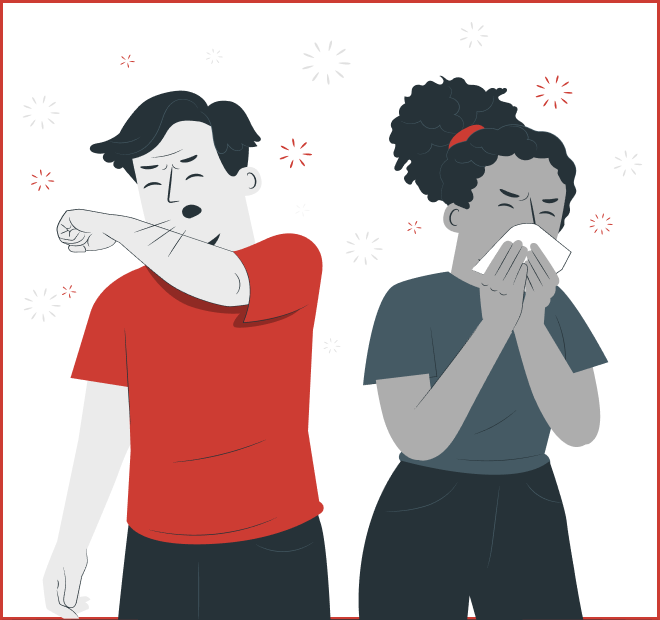
Cover your mouth and nose with a tissue or the inside of your elbow when coughing or sneezing
Clean and disinfect highly touched services
If there was a possibility that you were exposed to someone with COVID-19, you should get tested to see if you were possibly infected. If you receive a positive test result, this confirms that you do have the COVID-19 virus. If you have COVID-19, you should self-isolate and inform those you have been in contact with to avoid spreading the virus.